Phase 2: Determining how marine systems function during regime shifts
The core of FEEDRES is to understand how different marine ecosystems function while undergoing a regime shift.
For each system, specific approaches and methodologies will be applied, tailored to the ecological characteristics and the data available.
To detect the presence of regime shifts, we will use tools inspired by CUSPRA, a method developed in 2024 that allows the identification of critical transitions and the quantification of an ecological system’s resilience.
The analysis will focus on major European marine ecosystems, exploring them at multiple spatial scales to capture both local dynamics and large-scale processes that may influence system stability.
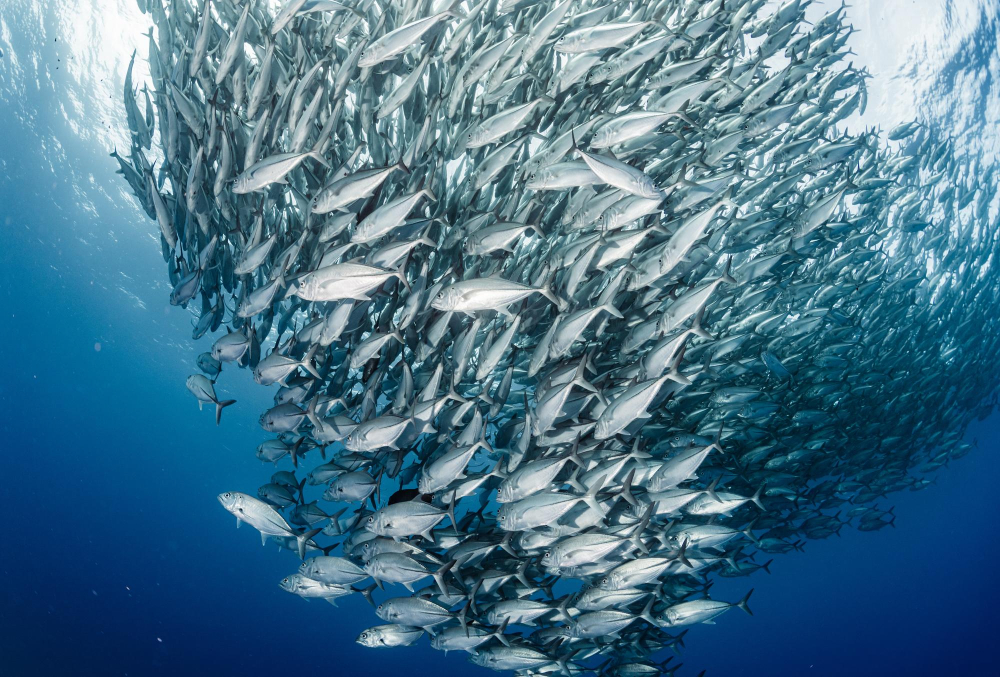
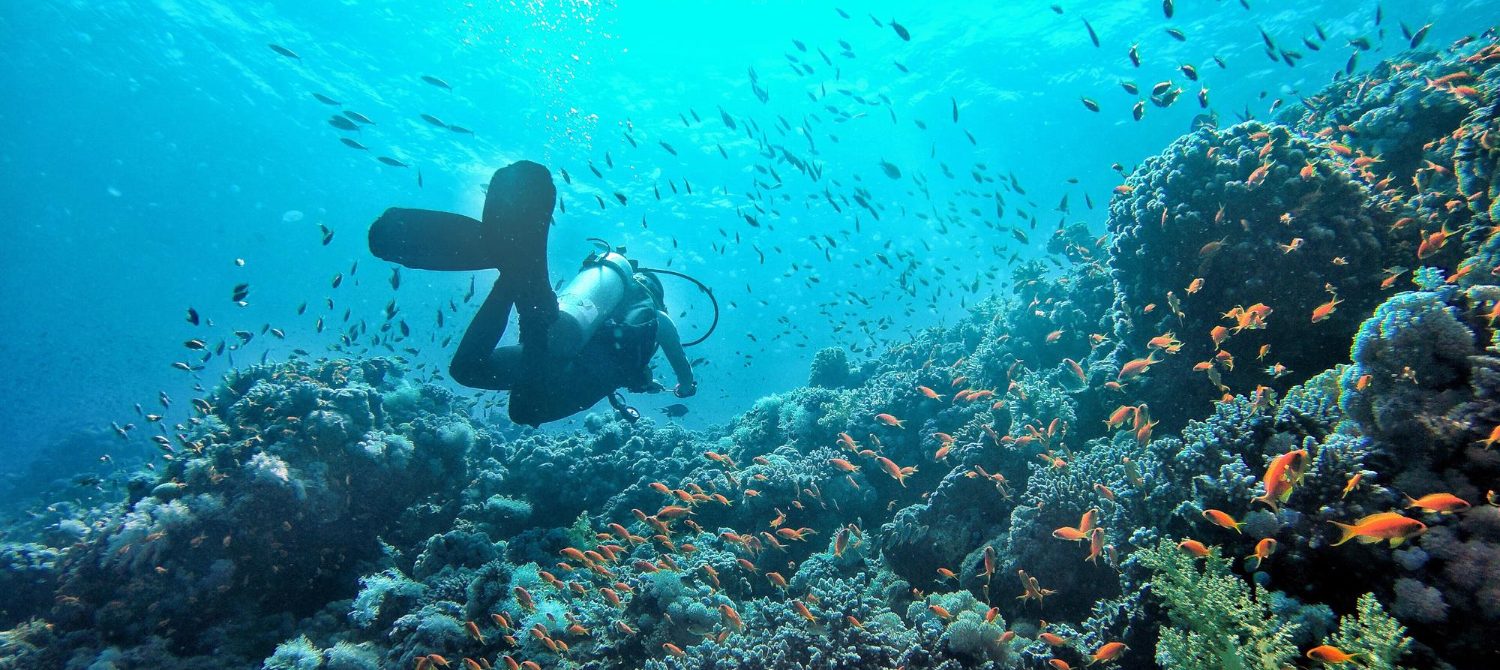
Collapses and recoveries are common phenomena among many marine populations, both commercial and non-commercial, and are often the result of external pressures such as intensive fishing, climate change, or variations in ecosystem productivity.
Other populations, by contrast, exhibit more stable patterns or natural fluctuations over time. FEEDRES will analyze these different dynamics using ecological data and advanced statistical approaches, aiming to categorize the types of responses of marine populations and identify the underlying ecological processes, such as regime shifts, linear trends, or cyclical fluctuations.
Species interactions that define a community or ecosystem are fundamental: they can contribute to ecological stability, but if disrupted, they can also trigger profound structural changes.
Despite their importance, studying these ecological networks is extremely complex due to the dynamic and intricate nature of biological systems.
Many of the methods used so far have proven useful for describing community functioning, but they are often not flexible enough to capture the changes that emerge when an ecosystem undergoes a regime shift.
FEEDRES will develop an innovative statistical approach to reconstruct ecological networks, enabling the identification of key structural changes that characterize a community during a critical ecological transition.

Humans are an integral part of marine systems: their activities profoundly influence their structure and dynamics, while they also rely on them for numerous ecosystem services. For this reason, it is essential to analyze human networks and their connections with the marine environment, in order to understand cascade mechanisms that can propagate from the ecological to the socio-economic domain — and vice versa.
FEEDRES will employ innovative statistical models to identify the key elements of the socio-economic system and analyze how they intertwine with the ecological system, providing an integrated and dynamic view of the interactions between nature and society.